Applied Sustainability Reporting with Claude · starts 12 November 2026November cohort · starts 12 November 2026Apply →

Applied Sustainability Reporting with Claude · 6 weeks · 12 sessions · 36 hours
Teaching weeks teach the standard and end with a timed manual exercise. Lab weeks rebuild exactly the same work with Claude — Thursday led from the front by both mentors, Sunday built by you and presented back. One fictional company, Demo Co., runs through all six weeks: the number you calculate in Week 2 is the number you disclose in Week 4 and evidence in Week 6.
Two tracks, running together
Odd weeks you do the work by hand, so you know what right looks like. Even weeks you rebuild the same thing with an agent you wrote the rules for — and that build track escalates.
We teach this in Claude Code. The method — write the rules down, scope what the agent may touch, verify what comes back — transfers to any tool you already use.
Pass mark is 60% in aggregate plus a submitted capstone. Each lab deliverable carries two marks recorded separately — technical correctness from the sustainability lead, iteration quality and workflow design from the AI lead. A flawed deliverable with a sharp, honest critique of where the model went wrong scores higher than a clean one presented without scepticism.
| Component | Weight |
|---|---|
| Participation and the six take-home tasks | 15% |
| Week 2 — GHG inventory deliverable | 20% |
| Week 4 — GRI drafting deliverable | 20% |
| Week 6 — integrated capstone | 35% |
| Peer red-team contribution (Weeks 4 and 6) | 10% |
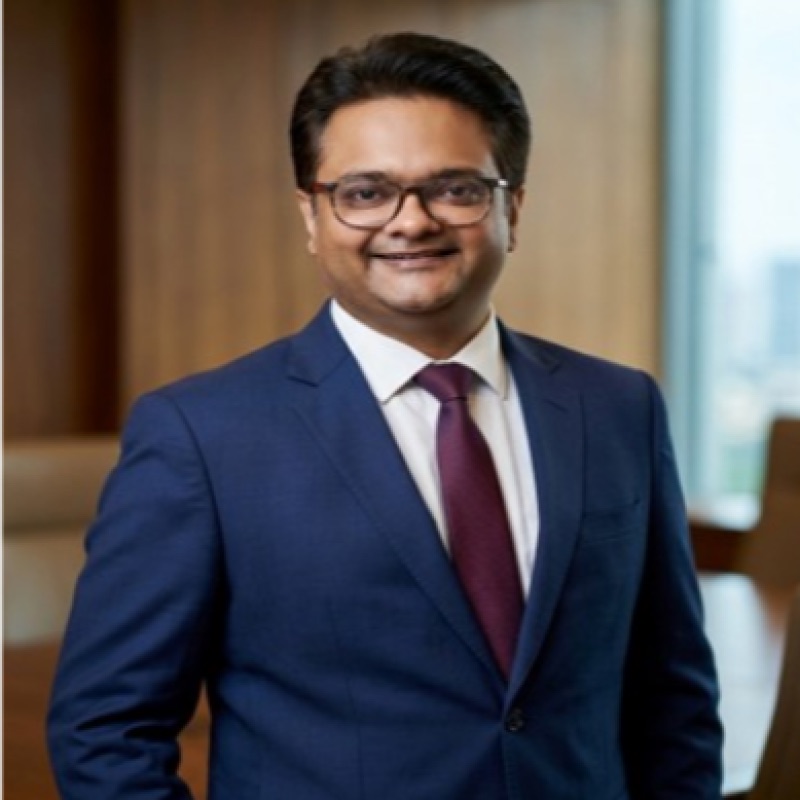
Sustainability mentor · teaches all twelve sessions
India's 5th SBTi Certified Professional. ISO 14064 lead verifier. 1,000+ practitioners trained. Energy and GHG work across 50,000+ telecom assets. The final word on whether an output would survive an assurer or a buyer audit. Faculty and reviewer for IICA, IIT (ISM) Dhanbad, MNRE and the IPCC — not a training-hours CV.

AI mentor · teaches the lab weeks
Head of AI, building production systems on messy operational data — not demos. Published at ICML and AAAI. In the labs you rebuild the same inventory in Claude; he marks whether you caught the invented factor, not whether the prose looked fluent. On the floor through every Sunday lab for 1:1.
Sessions run Thursday and Sunday, 6:30 pm to 9:30 pm IST.
Inaugural cohort starts Thursday 12 November 2026. Places are offered by application, read by both mentors. The fee is $720 (20% off $900).
Apply for a seat